
Aluminum Components Demand the Right Fluid
Coolant System service in Thousand Oaks for European engines running BMW Antifreeze, Mercedes MB 325.0, and Audi G13 spec fluids
Auto Precision Repair performs Coolant System service in Thousand Oaks and Moorpark using make-specific coolant formulations designed for European aluminum engine components, not universal green fluid that degrades metal surfaces over time. Extended stop-and-go traffic on the 101 corridor and sustained Conejo Grade climbs force European engines to run hotter than domestic designs, which accelerates coolant breakdown and raises corrosion risk in cooling passages. You need a shop that stocks BMW Antifreeze for BMW models, Mercedes MB 325.0 for Mercedes-Benz vehicles, and Audi G13 for VAG group engines—not a single universal jug used across every car in the bay.
European engines use aluminum heads, blocks, and radiators that require coolant additives engineered to prevent electrolytic corrosion and cavitation damage in these softer metals. Universal coolants lack the silicate-free, phosphate-adjusted chemistry that protects these components, and mixing coolant types in a partial flush introduces contamination that accelerates deterioration. The service involves a complete system drain, pressure testing for leaks, refill with manufacturer-specified coolant, and air purge to eliminate hot spots that cause localized overheating.
Schedule a coolant evaluation to verify your European engine is running the correct fluid specification for its aluminum cooling system.
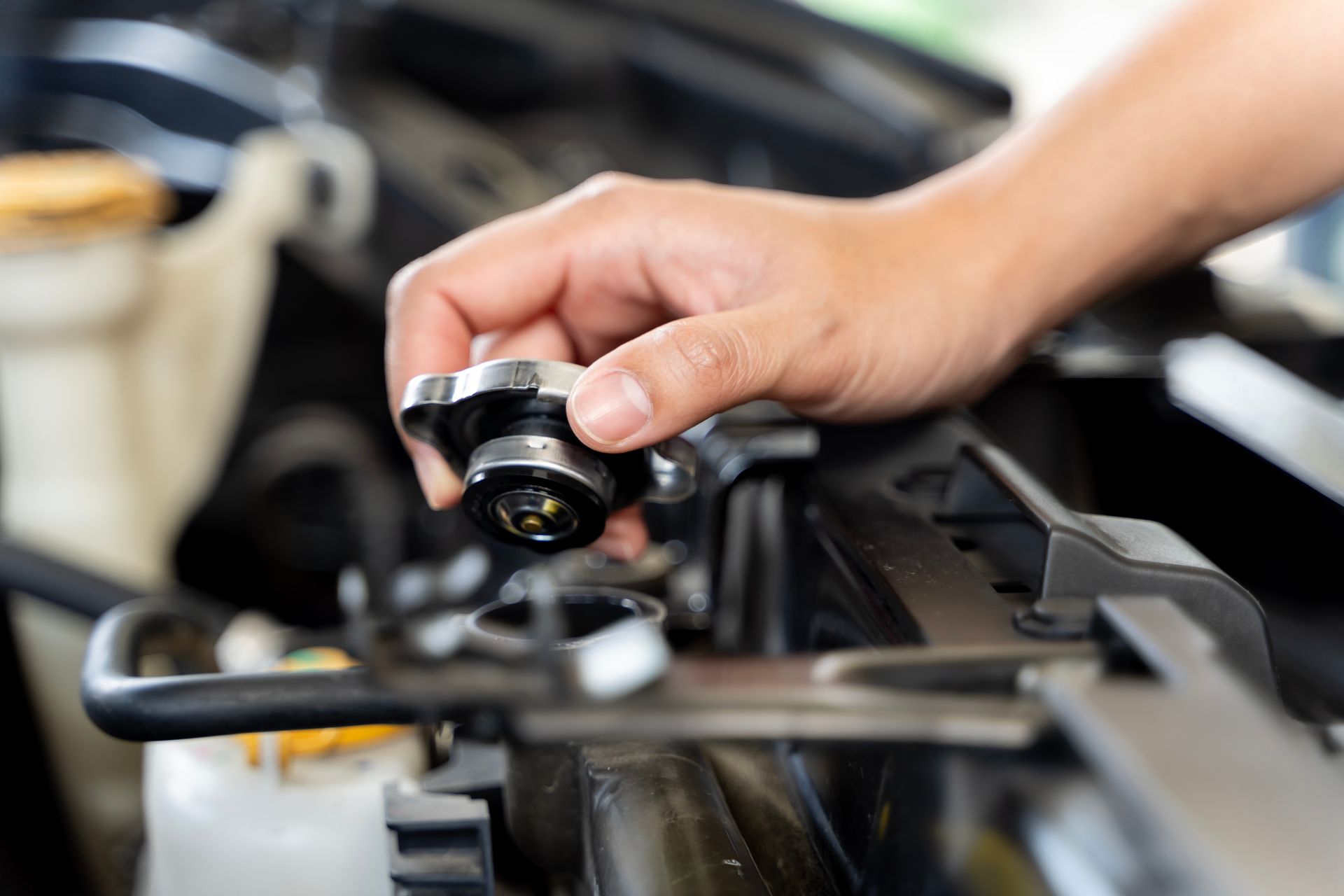
Why European Coolant Specifications Protect Long-Term
The diagnostic-first process begins with identifying your engine's exact coolant specification—BMW models require a low-silicate formula, Mercedes-Benz specifies MB 325.0 with hybrid organic acid technology, and Audi engines need G12 or G13 coolant depending on model year. A technician checks system pressure, inspects hoses and reservoir condition, then drains the old fluid completely rather than performing a partial exchange that leaves contaminated coolant in heater cores and engine passages. Fresh coolant is mixed to the precise concentration for Thousand Oaks climate conditions, typically 50/50 for optimal freeze and boil protection.
After the service, your temperature gauge stabilizes in normal range even during Conejo Grade climbs, and you no longer see fluctuating needle movement during highway-to-stop cycles on the 101. The aluminum components inside your cooling system remain free of the white corrosion deposits and pitting that appear when incompatible coolant sits in contact with metal surfaces, and you avoid the head gasket failures and radiator replacements that follow years of using incorrect fluid. Auto Precision Repair documents the coolant type and service interval in your maintenance record so future services maintain the same specification.
The service does not address external leaks from failed water pumps, cracked expansion tanks, or split hoses—those components require separate replacement. If system pressure testing reveals a leak, the technician identifies the failed part before refilling with new coolant, since adding fresh fluid to a leaking system wastes material and delays necessary repairs. Coolant condition and pH are checked at each service to determine whether contamination or breakdown requires earlier fluid replacement than the standard interval.
What Owners Ask About European Coolant Service
European engines built with aluminum cooling systems need coolant formulations that differ significantly from domestic vehicle specifications, and the questions below address how this service protects those components in Thousand Oaks driving conditions.
What happens if I use universal green coolant in a European engine?
Universal coolant contains silicates and phosphates that cause aluminum corrosion and clog narrow cooling passages in European engines, leading to localized hot spots and eventual head gasket failure.
How does stop-and-go traffic on the 101 affect coolant breakdown?
Extended idling and low-speed operation reduce airflow through the radiator, forcing the cooling fan to cycle more frequently and raising coolant operating temperature, which accelerates additive depletion and increases corrosion risk in aluminum components.
Why do European engines require different coolant than domestic vehicles?
European manufacturers design engines with aluminum blocks and heads that react chemically with silicate-based coolants, so they specify silicate-free formulas with organic acid inhibitors that protect softer metals without forming abrasive deposits.
What should I look for to verify correct coolant specification?
The coolant reservoir label or owner's manual lists the required spec—BMW engines need BMW Antifreeze, Mercedes-Benz requires MB 325.0, and Audi models specify G12 or G13—and the fluid color alone does not confirm chemical compatibility.
How long does make-specific coolant last in Thousand Oaks climate?
Most European coolant formulations remain effective for three to five years depending on mileage and operating conditions, but frequent Conejo Grade climbs and extended 101 corridor commutes may require earlier replacement if pH testing shows additive depletion.
Auto Precision Repair stocks BMW, Mercedes-Benz, and Audi coolant specifications for precise European engine service in Thousand Oaks and Moorpark. Request a coolant system inspection to verify your fluid specification and cooling system condition before summer heat increases thermal stress.