
Service Schedules Pulled From Onboard Systems
Preventive Maintenance in Thousand Oaks for condition-based service intervals on European vehicles
BMW's Condition Based Service and Mercedes' ASSYST systems calculate maintenance intervals based on driving conditions, not fixed mileage, yet many shops ignore these onboard systems and recommend service based on generic 3,000 or 5,000-mile charts. Auto Precision Repair performs preventive maintenance for European vehicles in Thousand Oaks and Oak Park by reading the vehicle's CBS or ASSYST data before recommending service, because interval timing varies depending on engine load, temperature cycles, and trip duration patterns that the vehicle monitors continuously. Following a generic mileage chart causes either premature service that wastes money or missed intervals that allow component wear to exceed design tolerance.
Condition-based maintenance accounts for how the vehicle is driven, calculating oil life, brake pad wear, and filter replacement timing based on actual sensor data rather than odometer readings alone. A vehicle driven primarily on highways reaches service intervals later than one driven in stop-and-go traffic, because engine load, brake usage, and thermal cycling differ significantly between driving patterns, and the onboard system adjusts interval recommendations accordingly.
Schedule a maintenance evaluation to review your vehicle's CBS or ASSYST data and determine which services are due based on current condition, not guesswork.
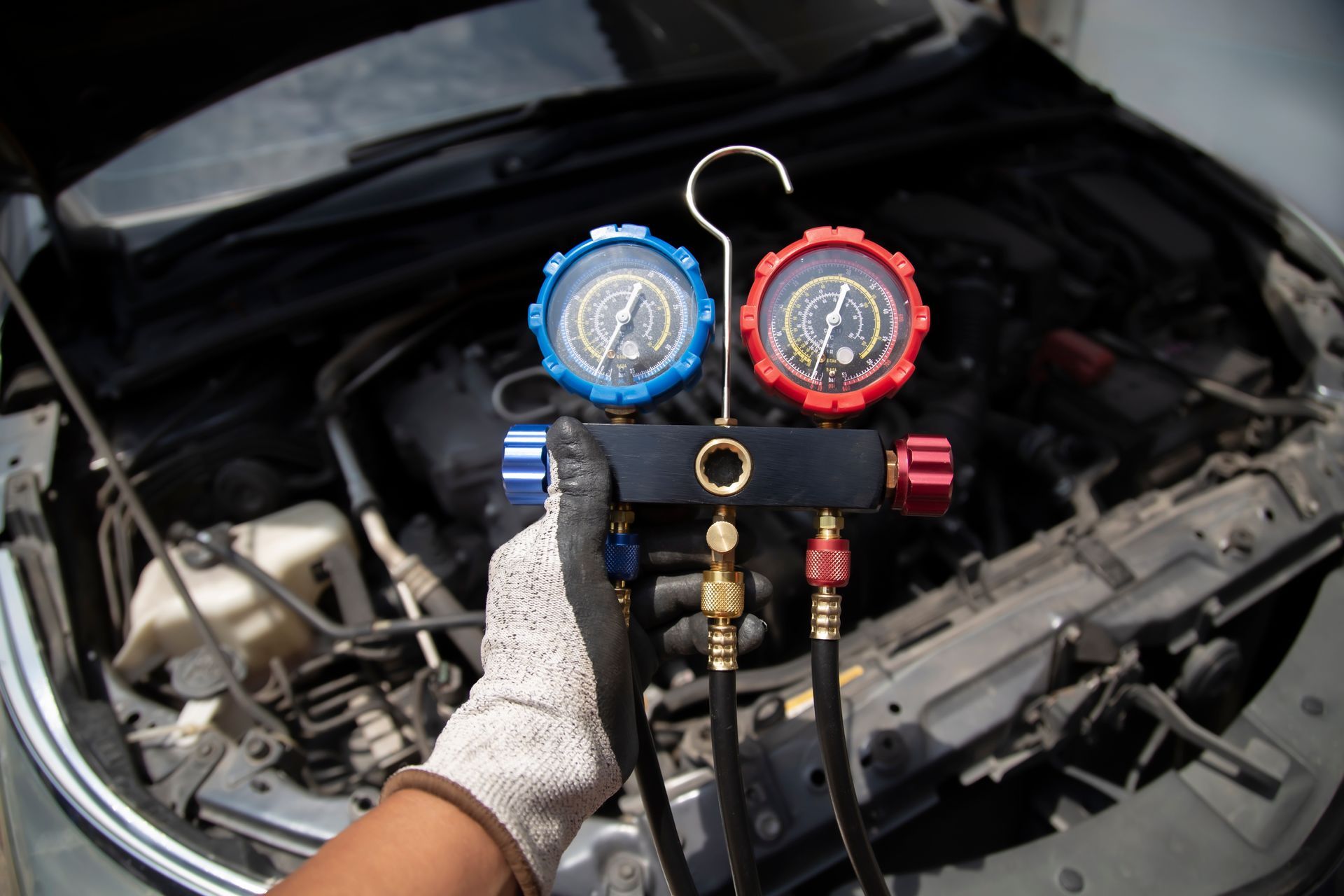
How Factory Schedules Adjust to Driving Conditions
European maintenance systems track engine starts, operating temperature, idle time, throttle position, and brake applications to calculate component wear in real time. Oil that degrades slowly during highway driving breaks down faster in city traffic where temperature cycling and short trips prevent full warm-up, so the system shortens oil change intervals when driving conditions are severe. Brake pad sensors measure thickness directly, eliminating mileage-based guesses about when pads need replacement. Cabin air filters accumulate debris faster in dusty Conejo Valley conditions than in humid climates, and the system accounts for blower motor load to estimate filter restriction.
After preventive maintenance, your vehicle runs with service reminders cleared, component wear tracked from zero, and fluids replaced at intervals that match actual use. Dashboard service indicators turn off because the onboard system recognizes that scheduled work was completed, and the next interval calculation begins fresh based on post-service driving data.
Factory maintenance schedules also differentiate between inspection items and replacement items, listing tasks like brake fluid testing,
coolant pH measurement, and suspension bushing inspection that don't always result in parts replacement but identify wear before failure occurs. This shop follows manufacturer inspection protocols rather than assuming every service requires parts, which prevents unnecessary replacement while catching wear that does need attention.
Answers to Preventive Maintenance Questions
Preventive maintenance questions often focus on interval timing and how condition-based systems differ from traditional mileage schedules, particularly for owners accustomed to fixed service recommendations.
What does CBS or ASSYST track that mileage alone doesn't?
CBS and ASSYST monitor engine load, operating temperature, trip duration, and component-specific sensors to calculate maintenance timing based on actual wear patterns rather than mileage assumptions.
How often should European vehicles receive preventive maintenance?
Service intervals vary by driving conditions, but most European vehicles require oil service every 10,000 miles under normal use, with brake fluid replacement every two years and coolant replacement every four years regardless of mileage.
Why do some shops recommend service earlier than the vehicle's indicator shows?
Some shops use generic interval charts that don't account for condition-based systems, resulting in premature recommendations that waste money without adding protection.
What happens if maintenance is delayed beyond the CBS or ASSYST recommendation?
Delaying service allows component wear to exceed design tolerance, causing oil breakdown, brake fluid moisture absorption, or filter restriction that leads to more expensive repairs when degradation affects connected systems.
Can the shop reset CBS or ASSYST after performing maintenance in Thousand Oaks?
CBS and ASSYST reset requires OEM-level diagnostic tools to communicate with the vehicle's service interval modules, confirming completed work and restarting interval calculations from zero.
Auto Precision Repair provides factory-schedule preventive maintenance for European vehicles across Thousand Oaks and Oak Park, with service intervals determined by your vehicle's CBS or ASSYST data rather than generic mileage charts. Call (805) 379-9900 to arrange an evaluation based on your vehicle's actual condition monitoring system.