
Diagnostic-Confirmed Faults Before Any Parts Order
Engine Repair in Thousand Oaks for European vehicles with confirmed fault codes and heat-accelerated component wear
Auto Precision Repair resolves engine faults on Mercedes, BMW, Audi, Volkswagen, and Porsche through diagnostic-confirmed testing before recommending parts replacement. Conejo Valley heat cycles and stop-and-go traffic on the 101 accelerate engine wear on European makes designed for different driving conditions. Scanner codes narrow the system, but hands-on testing confirms the actual failed component—no guesswork between the scan and the repair.
This process uses make-specific diagnostic software, not generic OBD scanners that read surface-level codes without accessing manufacturer subsystems. When a fault code points to a sensor circuit, testing confirms whether the sensor itself failed, the wiring harmed the signal, or another component caused the condition that triggered the code. Each of those paths requires a different repair.
Schedule a diagnostic evaluation to identify the component causing the fault code and receive a parts-specific estimate.
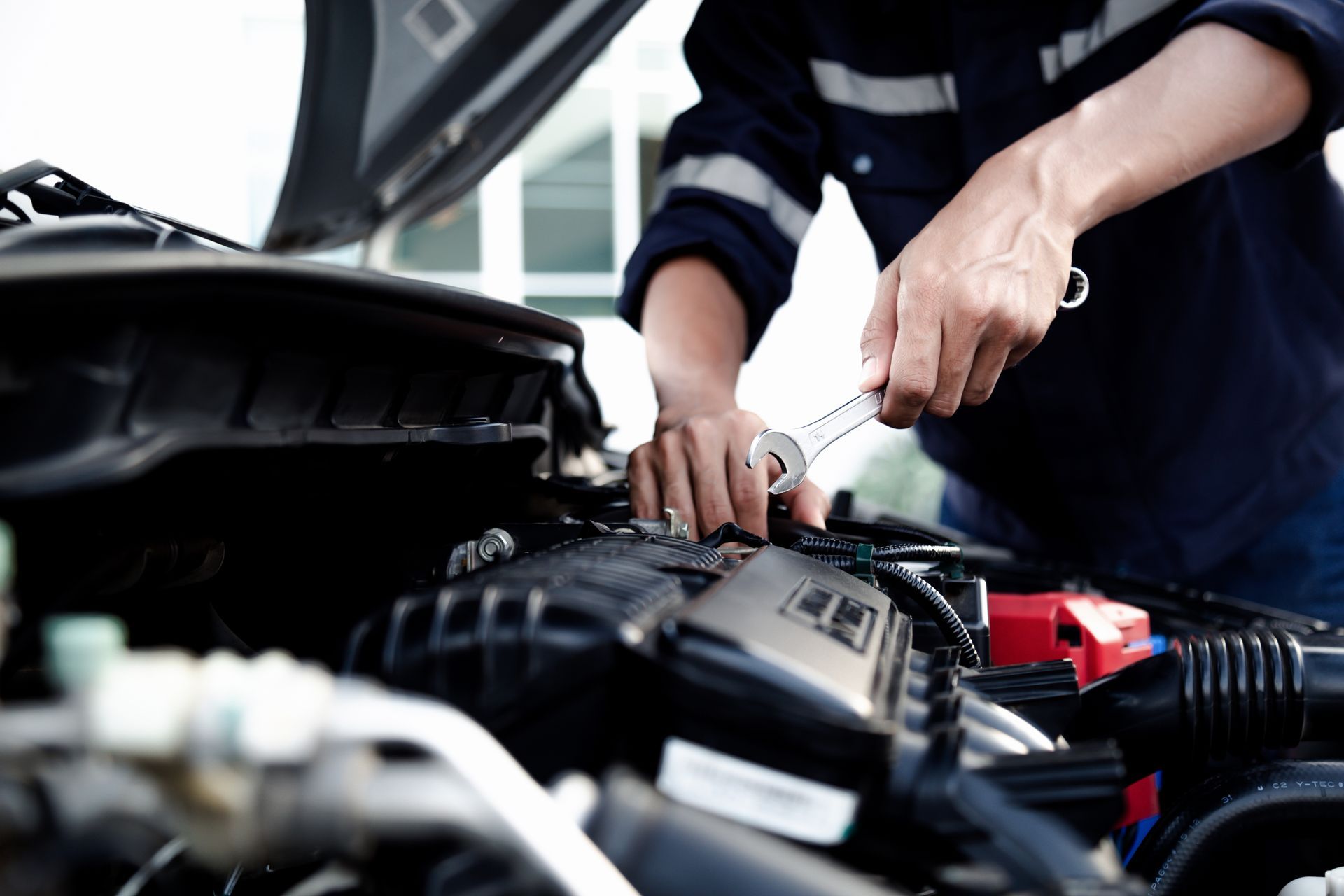
What Happens After the Engine Fault Is Resolved
The diagnostic-first process starts with fault code retrieval, followed by live data monitoring to observe how the engine management system responds under load. Sensor voltage, fuel trim data, and ignition timing logs reveal whether the fault is isolated to one component or part of a cascading failure. Make-specific software accesses subsystems that generic scanners cannot reach, particularly on newer European platforms with CAN-bus architecture.
Once the fault is resolved, the check engine light clears permanently, fuel economy returns to baseline, and drivability issues like hesitation or rough idle stop. Auto Precision Repair verifies the repair with a post-service drive cycle to confirm the fault does not reappear under the same operating conditions that triggered it initially.
The repair includes only the components confirmed through testing—if the fault traced to a failed ignition coil, you pay for the coil and the labor to test and replace it, not a full tune-up. Precision repair means the work addresses what failed, not what might need attention someday.
Questions About Engine Repair on European Vehicles
European engine systems require make-specific diagnostic tools and an understanding of how Conejo Valley driving conditions affect component longevity. The questions below address what to expect during the diagnostic process and how repairs are scoped.
What does make-specific diagnostic software show that a generic scanner does not?
Make-specific software accesses manufacturer subsystems like transmission control modules, ABS modules, and body control units that share data with the engine management system, allowing technicians to see whether a fault originated in the engine or another system that influenced engine performance.
How does stop-and-go traffic on the 101 affect engine wear differently than highway driving?
Stop-and-go traffic increases the number of heat cycles the engine experiences per mile driven, expanding and contracting metal components more frequently and accelerating wear on gaskets, seals, and sensors that rely on stable operating temperatures.
What is the difference between a fault code and the actual failed component?
A fault code identifies the system or circuit that reported abnormal data, but the component that caused the abnormal data requires hands-on testing to confirm—a downstream oxygen sensor code, for example, can be caused by a failed sensor, an exhaust leak upstream, or a fuel delivery issue.
When should an engine fault be addressed in Thousand Oaks before it causes further damage?
Any fault that affects fuel delivery, ignition timing, or cooling system operation should be diagnosed immediately, as these faults can cause secondary damage to components that were functioning correctly before the original fault occurred.
Why do European engines require different service intervals than domestic vehicles?
European engines are designed for fuel grades, operating temperatures, and driving patterns common in Europe, and Conejo Valley conditions—higher ambient temperatures, lower-grade fuel availability, and different traffic patterns—place different demands on components like oxygen sensors, ignition coils, and PCV valves.
Auto Precision Repair provides diagnostic-confirmed engine repair for European vehicles in Westlake Village and Newbury Park. Request a fault code evaluation to receive a component-specific repair estimate based on confirmed testing, not assumption.