
Fluid Condition and Live Data Before Rebuild Quotes
Transmission Repair in Thousand Oaks for European dual-clutch and ZF automatic systems with model-specific fluid requirements
European dual-clutch and ZF automatic transmissions are common in the Conejo Valley, and fluid spec and service interval are model-specific, not generic. Transmission diagnosis at Auto Precision Repair starts with fluid condition inspection and live data scan before any rebuild quote is issued. A transmission that shifts harshly or slips under load may need a fluid service, a solenoid replacement, or a full rebuild—the diagnosis determines which path is necessary based on what the transmission control module reports and how the fluid looks under magnification.
Make-specific transmission knowledge for Mercedes, BMW, and Audi means understanding how dual-clutch mechatronics units fail differently than ZF torque-converter automatics. Dual-clutch systems rely on hydraulic actuation controlled by the mechatronics unit, and when clutch engagement becomes inconsistent, the fault may lie in the mechatronics software, the clutch pack itself, or hydraulic pressure regulation. ZF automatics, by contrast, fail more often due to valve body wear or torque converter lockup issues.
Request a transmission evaluation to receive a diagnostic report with fluid analysis and fault code data before any repair decision is made.
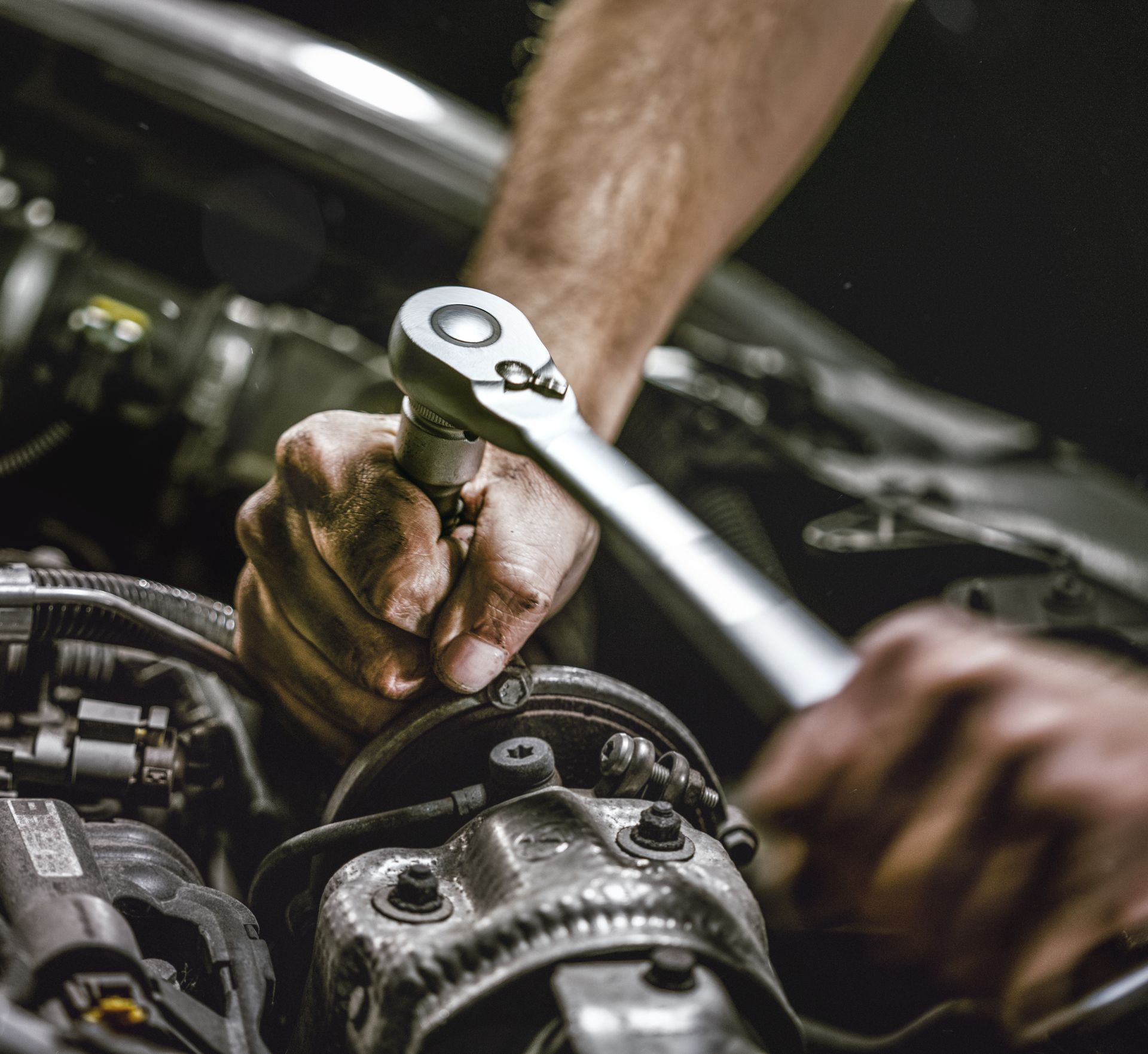
How Transmission Diagnosis Identifies the Actual Fault
Transmission diagnosis begins with fluid condition inspection—color, odor, and particulate content indicate whether internal wear has occurred and whether the fluid is still protecting moving parts. Live data from the transmission control module shows clutch slip percentages, line pressure values, and shift timing logs, which reveal whether the transmission is compensating for wear or operating within normal parameters. Fault codes are retrieved from manufacturer-specific modules that generic scanners cannot access, particularly on newer platforms with adaptive shift programming.
After transmission repair, shift quality returns to factory calibration, gear engagement no longer delays or slips, and the transmission warning light clears once the fault is resolved and adaptive values reset. The vehicle accelerates smoothly without flare between shifts, and downshifts occur predictably without harsh engagement.
The service includes only the repair confirmed through diagnosis—if the fault isolated to a failing solenoid, the solenoid is replaced and the system is retested. If the mechatronics unit requires software recalibration, that procedure is performed without unnecessary internal disassembly. Rebuilds are recommended only when internal wear is confirmed through fluid analysis and pressure testing.
Common Transmission Repair Questions
Transmission systems on European makes require diagnosis before repair because faults present with similar symptoms but originate from different components. The following questions address what the diagnostic process reveals and when a rebuild is necessary.
What does transmission fluid analysis reveal about internal wear?
Fluid analysis identifies metal particulate from clutch plates, bearings, or gears, and the type and quantity of metal present indicates which internal components are wearing—aluminum particles suggest bushing wear, while ferrous metal indicates gear or bearing damage.
How do dual-clutch transmissions fail differently than ZF automatics in Thousand Oaks?
Dual-clutch transmissions fail more often due to mechatronics unit faults or clutch pack wear from stop-and-go traffic, while ZF automatics typically fail due to valve body wear or torque converter lockup issues caused by fluid degradation over extended service intervals.
What is the difference between a solenoid fault and a mechanical failure in a European transmission?
A solenoid fault affects hydraulic pressure regulation or clutch actuation but does not involve internal wear—replacing the solenoid restores function without internal disassembly, while mechanical failure requires internal inspection and parts replacement.
When should a transmission be rebuilt versus serviced in Westlake Village?
A transmission should be rebuilt when fluid analysis confirms significant metal particulate, pressure testing reveals internal leakage, or the transmission control module logs excessive clutch slip—if fluid is degraded but no internal wear is evident, a service with new fluid and a filter replacement may restore function.
Why do European transmissions require model-specific fluid rather than universal ATF?
European transmissions are engineered for specific friction modifiers and viscosity ranges that affect shift timing and clutch engagement, and using incorrect fluid causes shift harshness, slipping, or premature wear even if the transmission itself is mechanically sound.
Auto Precision Repair provides diagnostic-first transmission repair for European vehicles in Thousand Oaks and Westlake Village. Contact the shop to schedule a transmission evaluation with fluid analysis and live data review included in the diagnostic fee.